
Great landscape photos don’t automatically create steady income. As a landscape photographer, you can spend years getting better in the field, build a beautiful portfolio, and post consistently. You may still wonder why sales and inquiries aren’t coming as you build a sustainable landscape and nature photography business.
That’s because landscape photography marketing is not about getting more likes. It’s about getting the right people to trust you, join your audience, and see a clear reason to buy what you offer.
You don’t need to become a full-time marketer. Growing a successful landscape photography business requires a simple, structured system rather than random tactics. That system should support the photography business and the work you want to keep making.
Key Takeaways
-
- Landscape photography marketing works best when you focus on one clear audience and build an offer that solves a specific problem or fulfills a specific desire.
-
- Your website and email list are business assets you control, while social media, search and YouTube should help bring the right people to them.
-
- Use storytelling, testimonials, field experience, and clear policies to build trust before asking people to buy prints, workshops or courses
-
- Build income gradually by testing complementary revenue streams, such as digital products, mentoring, licensing or affiliate marketing.
-
- Measure subscribers, inquiries, bookings, sales, profit, and return on investment instead of focusing only on follower counts or post views.
Start With the Right Audience and Offer
Wedding photographers have a built-in market. Couples get engaged, they need a photographer, and they start looking.
Landscape, nature, travel, and wildlife photographers have a different job. You create the work first, then build demand around it. Fine art landscape photography needs the right audience, context, and moment to become a sale. Nobody wakes up on Tuesday morning thinking, “I need a 40-inch print of a moody mountain range.”
That means your audience is the fuel for your nature photography business. Without one, you’re stuck trying to find random buyers one at a time. That’s exhausting. It’s also hard to repeat.
Your work may appeal to art collectors, interior designers, outdoor brands, tourism companies, aspiring photographers, or travelers who want help finding better locations. Those are not the same people. They don’t buy for the same reasons, and they don’t respond to the same content.

Create a Simple Ideal Client Profile
“Anyone who likes nature” isn’t an audience. It’s a vague hope.
Pick one main target audience to focus on first. You can expand later. Trying to speak to everyone makes every decision harder. Your website gets fuzzy. Your emails become random. Your offers pile up. People don’t know what you’re known for.
A useful client profile answers a few practical questions:
-
- What does this person want? Better photos, fine art prints for their home, a guided experience, or help editing?
-
- What can they afford, and what do they see as worth paying for?
-
- What questions do they ask before buying?
-
- Where do they spend time online, and what type of content do they save or share?
-
- What makes them act now, a trip coming up, a new home, a skill gap, or a seasonal sale?
For example, “people who like landscapes” could become “art collectors seeking fine art prints for their homes” or “beginner-to-intermediate photographers who want to shoot long exposures on coastal trips.”
Now you have something to work with. You can build a coastal long-exposure guide. You can make videos about filters and tide timing. You can offer photography workshops. You can create an editing lesson that solves the exact problem they already have.
A focused audience doesn’t limit your business. It stops you from wasting time talking to people who were never likely to buy.
Build a Clear Offer Instead of Selling Everything
A lot of photographers put prints, presets, workshops, ebooks, tours, and licensing options on one website, then wonder why nobody knows where to start.
More offers don’t always create more sales. Often they create confusion.
Start with one main offer that fits your chosen audience. Then add one simple entry offer for people who aren’t ready for the bigger commitment.
If you teach photographers, that could be a free composition guide leading to a preset pack, then an editing course or small-group workshop. If you sell art, it could be a helpful guide to choosing print sizes leading to a curated collection of large-format fine art prints.
Your offer needs to promise a real result. A workshop is not “a fun weekend taking photos.” It’s a chance to leave with stronger field skills, better compositions, and a clear editing process. A print is not “a nice image.” It’s art that brings a particular place, mood, or feeling into a home.
Build a pricing strategy around your primary income stream in landscape photography. Travel, accommodation, production, packaging, platform fees, taxes, payment processing, and your time all count. If you sell photography prints but barely keep anything after expenses, the offer isn’t helping your photography business.
For a practical look at how photographers combine several income sources, read these lessons from a nature photography business.
Tell Stories That Make the Work Matter
People connect with people. Not galleries of anonymous pretty pictures.
The story behind an image can be the reason someone remembers it. That’s especially true in fine art landscape photography. Maybe you hiked before sunrise in bad weather. Maybe you returned to the same location for years. Maybe the image came from a place you want people to respect and protect.
Share the field notes. Talk about the failed attempts, the weather call that almost sent you home, or the creative decision that changed the final image. That doesn’t mean turning every post into a diary entry. It means giving people enough context to care.
Connect the story back to what your audience wants. A collector may want art that reminds them to slow down. A student may want to understand how you read light in difficult weather. A traveler may want help planning a more meaningful trip.
The photo gets attention. The story gives it weight. For a landscape photography business, that makes storytelling a practical part of landscape photography marketing, not just an artistic extra. It helps any landscape photographer give their fine art photography a reason to matter.
Build a Marketing System That Brings People to You
Social media marketing is useful, but it isn’t your business. Your profile can lose reach overnight. A platform can change its rules. A post can disappear into the feed before lunch.
For a landscape and nature photography business, your website and email list are different. They are assets you control.
Think of social media marketing, YouTube, Instagram, and search as trailheads. They help new people find you. Your website is where they learn what you do, see proof, join your list, inquire, book, or buy.
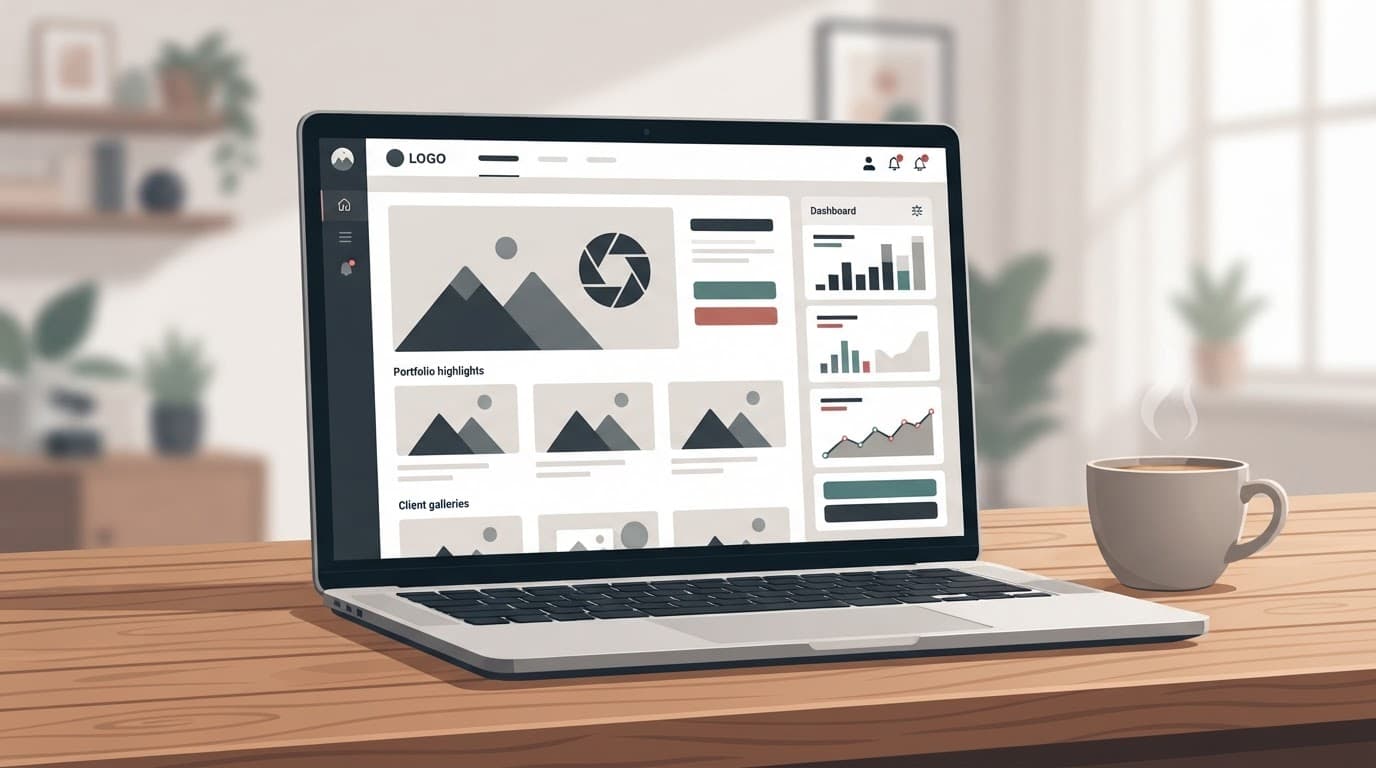
Make Your Website Ready to Turn Visitors Into Buyers
A portfolio website should do more than show your best images. It should make the next step obvious.
An online store can make fine art landscape photography easier to browse and buy. A photographer might feature curated print collections, workshops, or digital products. Don’t make a visitor dig through six menus to figure it out.
Give each major offer its own page. Explain who it is for, what buyers get, what it costs, what happens next, and how to ask questions. For a nature photography business, print on demand services can simplify fulfillment and streamline the business. Add testimonials, frequently asked questions, and clear calls to action.
Your portfolio also needs context. Include a short caption where it helps: the location, the story, the print format, the image’s intended use, or whether licensing is available. Explain the story behind fine art landscape photography when it helps buyers connect with the work. Don’t bury useful information behind a “contact for details” message.
Check the basics too. Images need to load quickly. The site needs to work on a phone. Contact forms need to work. Checkout should be simple. Ideally you should be able to see where visitors come from and which pages lead to inquiries or sales.
You don’t need a fancy site. You need a clear one.
Use Search Content to Reach Buyers With Intent
Search content works best when it answers a question your audience already has.
If you run workshops or sell photography courses, write about the photography locations you teach, what to pack, how to prepare for changing conditions, and the skills people will practice. If you sell prints, write about choosing wall art sizes, framing options, and how to pick art that works in a particular room.
Good topics might include:
-
- How to photograph a national park responsibly in changing weather
-
- What to bring on a multi-day wildlife photography trip
-
- How to choose large landscape prints for a living room
-
- How to edit a foggy forest scene without making it look fake
-
- Where to photograph sunrise along a specific coastline
Use descriptive page titles and headings. Name image files properly. Add useful alt text. Link related articles and offers together. Most of all, write from real experience. Generic advice is everywhere. Your field knowledge is the part people can’t get from a content mill.
A guide on “the best places to photograph Iceland” is more helpful when it includes your planning process, seasonal conditions, and the type of photographer it suits. Content about nature photography should lead readers toward the next step in your sales funnel. That’s also more useful than chasing random traffic.
Use Social Media for Discovery, Not Your Whole Business
Posting pretty images isn’t a marketing plan. It’s a starting point.
Social media marketing works best at the top of a sales funnel. Choose one or two platforms that fit your audience and offers. If you sell educational products, YouTube, Instagram, and email may work well together. If you sell prints for homes, Pinterest can be worth testing because people use it to collect visual ideas. If you work with commercial clients, LinkedIn may make more sense than another reel.
Share more than final images. Show editing breakdowns, packing decisions, location planning, field mistakes, before-and-after work, and short lessons. Let people see how you think.
Then give them a next step. Invite them to read a guide, download a resource, join your email list, browse a collection, or ask about a workshop.
Don’t obsess over follower count. Saves, thoughtful comments, shares, profile visits, email signups, and inquiries tell you more about whether your content is doing its job for a nature photography business.
Grow an Email List You Actually Own
An email list is where casual followers become people you can help over time.
The mistake is growing a huge list of people who only wanted a freebie and have zero interest in your paid work. A smaller list of the right people beats a large list that never clicks, never replies, and never buys.
Offer something useful that fits your main offer. A location guide makes sense if you sell workshops. A composition checklist works if you teach. A sample preset can work if your audience wants editing help. A print buyer may appreciate a short guide to choosing art and sizing it for a room.
Your welcome emails can stay simple but never skip this part. The welcome email is probably one of the the most read email you will send. Introduce yourself. Send one useful lesson. Tell a relevant field story. Share proof that your offer helps people. Then explain the next step.
Segment people when you can. Someone interested in prints doesn’t need five emails about your editing course. Someone who joined for a wildlife workshop guide may not care about a holiday art sale.
Email isn’t about blasting promotions every week. It’s about staying useful enough that people remember your fine art landscape photography when they’re ready to buy again. For a nature photography business, the right email list can drive repeat sales without relying on constant reach.
Turn Attention Into Sales With Trust and Follow-Up
Most people aren’t ready to buy the first time they find you. That’s normal.
A $30 preset pack, a $500 print, and a $3,000 photo tour all require different levels of trust. People need time to understand what they are getting, whether you are the right fit, and whether the result is worth the price.
That is where a simple sales funnel helps. Not a gross, pushy funnel full of fake urgency. A clear path that supports your landscape photography business.
Create a Simple Sales Path for Your Work
Start with one source of attention. That might be an Instagram post about shooting in rain, or a YouTube editing tutorial.
Send that person to a focused page with one next action. If the post is about golden-hour photography, offer a golden-hour planning guide. After they download it, send a few emails that help them use it.
This sales funnel should move people from useful free content toward relevant digital products or fine art prints. Each offer should match their level of interest.
A simple path could look like this:
-
- A photographer finds your free guide on shooting at golden hour.
-
- They join your email list and receive a short series of practical lessons.
-
- You offer a low-cost preset pack or other digital products that support those lessons.
-
- You share student work, editing examples, and workshop feedback.
-
- You invite them to your full editing course or an in-person workshop.
Each step should make sense after the one before it. Don’t send someone from a free wildlife packing list straight to a high-priced Iceland tour without building any trust in between.
One page, one message, one action. Keep your sales funnel that simple.
Use Proof to Reduce Buyer Doubt
Your work may be strong, but buyers still have questions.
Will the print look good in my home? Is this workshop right for my skill level? Will I get personal feedback? Is the course worth the money? Can I trust this photographer with a licensing agreement?
Show proof before people have to ask. This matters especially when art collectors are considering limited edition prints or high-end fine art landscape photography.
Use workshop feedback, student images, testimonials, repeat customers, and photos of prints installed in real homes. Show behind-the-scenes moments that demonstrate how you teach or how carefully you prepare for a trip.
Ask for better testimonials, too. “It was great” is nice, but it doesn’t tell a future buyer much. Ask what problem the customer had before working with you, what changed, and what they would tell someone on the fence.
Clear proof improves the return on investment from your marketing. It also supports a stronger pricing strategy for limited edition prints and fine art landscape photography.
Trust also lives in the boring details. Clear policies. Real contact information. Secure checkout. Honest product descriptions. Written licensing terms. A clear explanation of what happens if weather disrupts a workshop.
Those details aren’t sexy. They help people feel safe buying from you.
Follow Up Without Being a Pain
Silence after an inquiry doesn’t always mean no.
People get busy. They wait for payday. They need to talk to a partner. They save an email and forget about it. They may be interested but still unsure.
Follow-up is part of good service. It gives people the information they need to decide, while keeping your sales funnel useful instead of intrusive.
After a workshop inquiry, send a helpful email that answers common questions about fitness level, gear, lodging, group size, and what happens if conditions are rough. After a product launch, share an example of how the product helps. Structured follow-up can improve sales for photography workshops and photography courses.
If a real deadline exists, state it clearly. Don’t invent one.
You can also use follow-up after an abandoned cart or a free download. Keep it respectful. Give people a useful reminder. Offer an easy way to reply with questions. Let them opt out.
If you use retargeting ads, respect privacy rules and consent requirements. Don’t stalk people around the internet because they looked at one print for twelve seconds. Nobody needs that nonsense.
Build Income Beyond Print Sales
Prints can be part of a healthy photography business. They can also be competitive, expensive to produce and ship, and hard to sell at a margin that makes sense.
The answer isn’t to stop trying to sell photography prints. It’s to stop expecting them to carry the entire business. A landscape photography business can combine physical work with digital products, services, and passive income.
Here is a simple way to compare common options:
| Income stream | Time required per sale | Can it sell repeatedly? | Best fit |
|---|---|---|---|
| Fine art prints | Medium | Yes | Collectors and home decor buyers |
| Limited edition prints | Medium | Yes | Art collectors and dedicated buyers |
| Photography workshops | High | No | Photographers who want hands-on teaching |
| Photography courses | High upfront | Yes | Photographers who want structured education |
| Digital products, such as presets and guides | Medium upfront | Yes | Buyers who want quick, lower-cost help |
| Mentoring | High | No | Photographers who want direct feedback |
| Licensing and stock photography | Medium | Yes | Brands, publishers, and commercial clients |
| Gallery representation | Medium | Yes | Photographers seeking curated collector sales |
| Affiliate marketing | Low to medium | Yes | Audiences who value your gear and software advice |
| Print on demand | Low to medium | Yes | Creators testing products with less inventory |
| Online store | Medium | Yes | Photographers managing several offers |
The smart move is to test one additional income stream at a time. Don’t build a course, launch a membership, plan an international tour, and open an Etsy shop in the same month. That’s how good ideas turn into a pile of unfinished work.
Affiliate marketing can create passive income when recommendations are honest and clearly disclosed. It works best when your audience already trusts your advice.
Stock photography may provide another repeatable income source, though results vary by subject and platform. A nature photography business can also use affiliate marketing to recommend cameras, software, and outdoor gear that genuinely help customers.
Digital products can support passive income without the storage and shipping demands of physical products. Test each offer against customer demand, production time, and the likely return before investing heavily.
Licensing can work when usage rights are clear in writing. Gallery representation may suit photographers with a strong body of work and a patient approach to building collector relationships. For some creators, affiliate marketing is a practical complement to an online store.
Digital collectibles may be worth exploring for some photographers, but don’t treat them as guaranteed income. Build your photography business around reliable offers first, then expand carefully.
For more ideas and a reminder to calculate real expenses, this guide on making money as a landscape photographer is a useful starting point.
Measure What Works and Build a Plan You Can Maintain
Marketing gets overwhelming when every task feels equally important.
It isn’t.
You don’t need to post daily on six platforms, write a weekly blog, record three videos, send five emails, and redesign your website every month. You need to know what is working, what is weak, and what you’re testing next in your nature photography business.
Audit What You Have Before Adding More Work
Set aside an hour and look at your business honestly.
-
- Is your target audience clear?
-
- Does your website tell people what you offer within a few seconds
-
- Are you building an email list?
-
- Are people replying to your content, asking questions, and clicking through to your site?
Check your website analytics, store sales, email reports, reviews, and direct messages. Look for patterns in your digital products, affiliate marketing links, and sales funnel conversion rates.
Maybe your educational posts bring website visits but no signups. Maybe your affiliate marketing earns clicks but few commissions. Maybe your workshop page gets inquiries but the booking process is clunky.
Look at your return on investment before adding another channel. A landscape and nature photography business needs to know which activities create sales, leads, or useful relationships.
Maybe print buyers love one collection, but you keep promoting another because it’s your personal favorite. Perhaps your fine art landscape photography attracts attention, but your offers don’t make buying easy.
Pick one strength, one weak point, and one opportunity. That’s enough to start.
Marketing education matters here. It’s easy to spend thousands on a new lens and nothing on learning how people find, evaluate, and buy your work. Your gear matters. So does understanding affiliate marketing, digital products, and the sales funnel behind the work you made with it.
Set Goals That Connect to Revenue
“Get more followers” is not a useful business goal.
Set goals that connect to real results. You might aim to add 100 qualified subscribers to your email list in 90 days, book six photography workshops, increase sales of limited edition prints, or improve your return on investment from fine art landscape photography.
You could also track fine art prints sold through your online store, mentoring inquiries, or revenue from a new digital product. Choose goals that support your nature photography business instead of chasing every available metric.
Track a small group of numbers:
-
- Where your website traffic comes from
-
- The percentage of visitors who join your email list
-
- Email opens, clicks, replies, and sales
-
- Inquiries, bookings, and conversion rates
-
- Revenue from limited edition prints, fine art prints, digital products, and affiliate marketing
-
- Average order value, repeat purchases, and profit after costs
A post with 20,000 views can feel exciting. If it brings zero subscribers, inquiries, or sales, it may not be worth repeating. A video with 700 views that fills two workshop spots is far more useful.
Measure each income stream against the time and money it requires. That comparison makes passive income claims easier to evaluate and helps you focus on genuine business growth.
Create a One-Page Content and Campaign Calendar
Your content should not feel like a daily emergency.
Plan a month at a time. Choose one main topic that supports an offer. For example, if you want to fill spring photography workshops, create content around trip planning, weather preparation, composition challenges, and editing the type of scenes people will shoot.
Schedule promotions for photography courses, digital products, and seasonal offers for art collectors. You might feature a new collection before peak buying season or share affiliate marketing recommendations alongside genuinely useful field advice.
One detailed article or video can become an email, several social posts, a few short videos, and a Pinterest idea. That doesn’t mean copy and paste the same thing everywhere. Pull out the strongest small idea for each format.
Use seasonal timing when it fits. Holiday print sales need planning before the holiday rush. Spring workshops need promotion while people are still making travel plans. A new course needs a runway of useful content before the launch.
Use a Practical 90-Day Marketing Plan
The goal for the next 90 days is not to fix everything. It’s to build momentum around one audience, one offer, and one reliable income stream.
In month one, define your audience, tighten your main offer, clean up the most important website pages, and create one useful signup resource. Set up a basic welcome sequence for your digital products. Review affiliate marketing disclosures, links, and tracking before promoting anything.
Month two is for publishing. Share useful content tied to your offer. Ask past customers and students for testimonials. Start sending regular emails. Test a small entry offer that leads toward your main product or service. Use affiliate marketing selectively, and develop passive income through a digital product that solves a specific customer problem.
Month three is for a focused campaign. Promote one offer through email, your website, and the platforms you already use. Follow up with people who showed interest. Test print on demand for suitable products, review gallery representation opportunities, and identify ways to scale stock photography without weakening your brand.
Review the results across your nature photography business. Compare affiliate marketing revenue, digital products, print sales, and stock photography against the effort involved. Then refine your pricing strategy, keep what worked, and fix one weak point before the next campaign.
A focused quarterly review can reveal whether your fine art landscape photography is attracting buyers, whether your affiliate marketing supports trust, and whether your digital products create useful passive income. Use those findings to strengthen the next campaign.
Consistency doesn’t mean doing everything every day. It means repeating the few actions that bring the right people closer to a purchase.
Frequently Asked Questions
What is landscape photography marketing?
Landscape photography marketing is the process of helping the right audience discover, trust, and buy your photography products or services. It can include content marketing, social media, email, search, sales funnels, and direct follow-up.
Who should a landscape photographer market to?
Choose one primary audience based on the offer you want to sell. This might be fine art collectors, interior designers, aspiring photographers, travelers, outdoor brands, or tourism companies.
How can landscape photographers sell more than prints?
Photographers can add workshops, photography courses, mentoring, digital products, licensing, stock photography, affiliate marketing, and print on demand. Test one additional income stream at a time so you can evaluate demand, costs, and profit without overwhelming your business.
Do landscape photographers need to be active on every social media platform?
No. Choose one or two platforms that match your audience and offer, then direct interested people to your website or email list. Useful content and qualified inquiries matter more than posting everywhere or chasing follower counts.
What should a 90-day landscape photography marketing plan include?
Start by defining your audience, improving your main offer and website, and creating a useful email signup resource. Then publish content tied to that offer, collect proof, run one focused campaign, and review the results before deciding what to improve next.
Build the Business Around the Work You Want to Make
You don’t need more random posts or another desperate print sale. You need a trusted audience and a clear path that helps them move from interest to action.
Choose one audience. Build one offer for them. Make your website the home base, grow an email list, share useful proof, and follow up like a real person.
Start with the first week of the 90-day plan. One clear offer for one clear audience will do more to build a nature photography business and support long-term photography business success than jumping between disconnected marketing tactics.